In a hurried and distracted age, prayer can feel elusive—something we admire in theory but struggle to practice in reality. Two modern Christian voices help bring prayer back to the center of ordinary life: Paul E. Miller in A Praying Life and Richard J. Foster in Celebration of Discipline.
Both of these books have been life-changing for me! The hard truth is that we don’t pray because we don’t think it changes much. If God is sovereign and good, he knows what’s going to happen anyway…why pray? But the primary answer to that is: because God said to do it! Jesus teaches us how to pray in Matthew 5 with the Lord’s prayer. I can’t understand prayer or even how it works, but I know that prayer is not a technique to master but a relationship to enter. THIS is how we know God. Through His word and through prayer and through other faithful believers who have walked with Him for years.
Prayer Is Childlike, Not Impressive
One of the most freeing insights in A Praying Life is Miller’s insistence that prayer begins in weakness. Many Christians avoid prayer because they assume it requires eloquence, consistency, or spiritual maturity. Miller gently dismantles that myth.
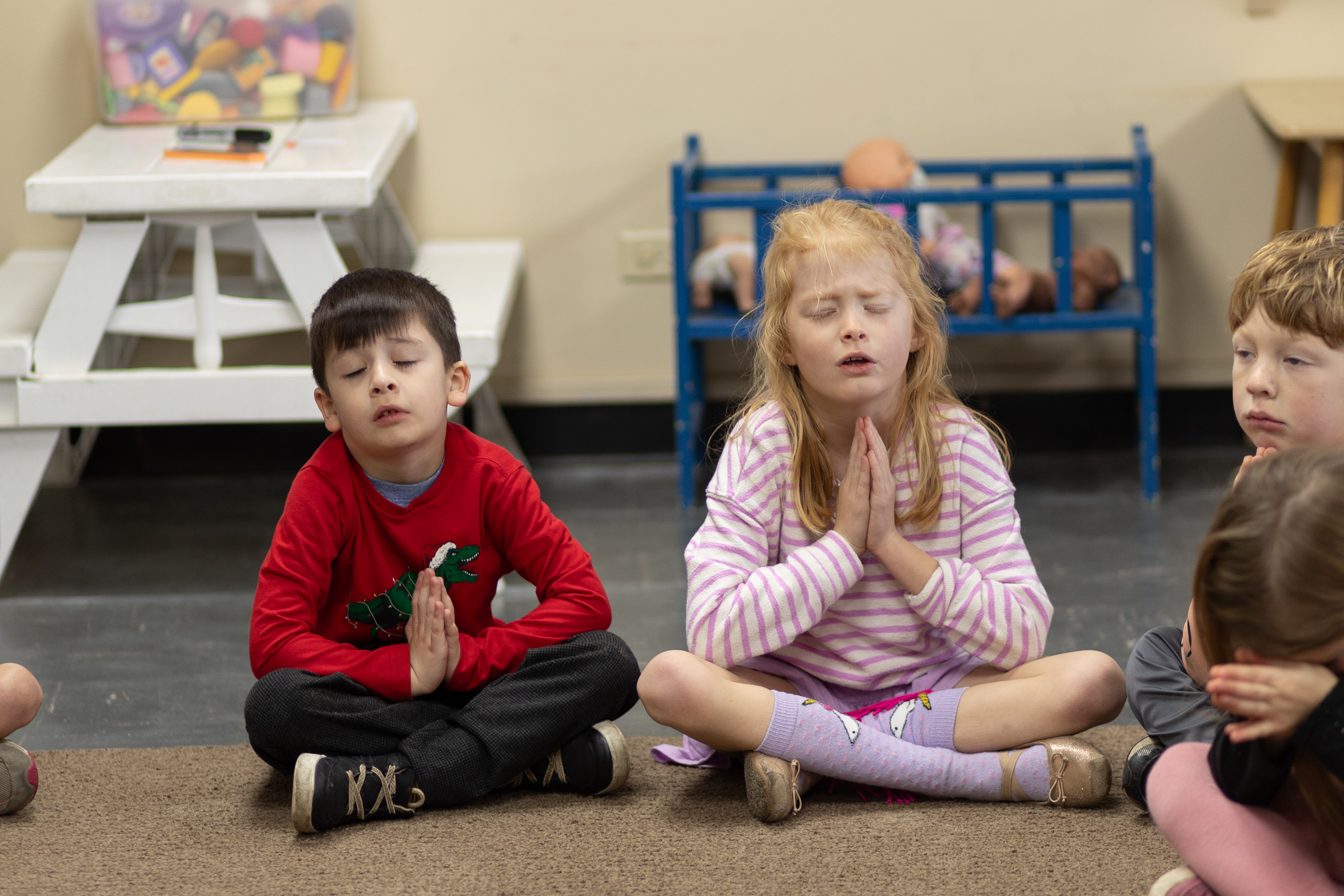
He reminds us that Jesus invites us to pray as children. Children are not polished; they are honest. They bring their needs, questions, and frustrations without pretense. Prayer, then, is less about getting the words right and more about bringing our hearts as they are: happy, sad, frustrated, overwhelmed. God wants it all. Unfiltered.
In a culture that values self-sufficiency, prayer feels unnatural. But in the kingdom of God, dependence is the doorway. It is our child-like dependence upon the Lord that drives us to pray: when we find ourselves in a season of life that is especially “squeezy” and so we turn to Him in desperation. THIS is the beginning of a deeper prayer life.
Prayer Is a Discipline That Forms Us
While Miller emphasizes relational intimacy, Foster situates prayer within the broader framework of spiritual disciplines like meditation, worship, fasting, Bible study, etc. In Celebration of Discipline, prayer is central—it is the means by which we are transformed.
Foster writes not about prayer as mere petition, but as communion. He describes different expressions of prayer—meditative, intercessory, contemplative—and shows how each reshapes the soul. Prayer is not simply asking God to change circumstances; it is allowing God to change us.
This is crucial. If prayer only serves our agenda, if we only pray to ask God to solve our problems, it becomes transactional. But when prayer becomes communion, it is transformational. Prayer is not a “check this off before 7 AM ritual;” it is a constant conversation with the one who made us. Times of directed, intentional, even set prayer? Yes. Other times of free-flowing conversation with Jesus? Yes. ALWAYS an awareness of our great need for Him.
The Problem of Distraction
Both authors recognize the modern challenge of distraction. Our minds wander. Our phones buzz. Our schedules crowd out silence. THIS is the ultimate triumph of the enemy: to keep us so distracted and busy that we simply have no time or energy to pray. There is too much to DO. And if we think we can handle all that comes our way, why WOULD we pray?
Miller is especially honest about how fragmented attention undermines prayer. He encourages practical tools—like written prayer cards—to focus our wandering hearts. Foster, in turn, calls us into silence and solitude as pathways to deeper prayer.
Distraction is not merely a mental issue; it is a spiritual one. What captures our attention often captures our love. Prayer retrains our attention toward God. We become what we behold.
Learning to Lament and Persevere
Another powerful theme in A Praying Life is perseverance. Miller does not shy away from unanswered prayers or long seasons of waiting. Instead, he reframes waiting as relationship. Just as a child keeps returning to a loving father, we continue to pray—not because we control outcomes, but because we trust God’s character.
Foster complements this by emphasizing surrender. In contemplative prayer, we release our need to manage results. We learn to pray, “Your will be done,” not as resignation but as trust.
Prayer, then, is not about bending God to our will. It is about aligning our hearts with His.
Practical Ways to Cultivate a Praying Life
Drawing from both authors, here are practical steps for growing in prayer:
1. Start Small and Honest
Don’t wait for perfect conditions. Begin with five minutes. Speak plainly. Bring real concerns.
2. Create a Simple Prayer System
Use index cards or a small notebook to keep track of people and needs. This helps turn vague concern into faithful intercession. The prayer cards that Miller encourages are SOOO helpful in being intentional—come see me if you want a template! Also, as I reread those cards, I see the absolute faithfulness of God to answer prayer!
3. Practice Silence
Set aside brief moments without noise. Resist the urge to fill every quiet space. Silence prepares the heart to listen.
4. Pray Scripture
Let passages from the Psalms shape your words. Scripture anchors prayer in truth.
5. Embrace Weakness
When you feel distracted or discouraged, do not quit. Bring that very frustration into prayer.
Prayer as Relationship, Not Performance
At its core, both Miller and Foster point us back to the same vision: prayer is life with God. It is ongoing conversation. It is surrender. It is dependence.
We often approach prayer as if it were an advanced spiritual technique. In reality, it is more like learning to walk with a Father—sometimes stumbling, sometimes wandering, but always invited.
The beauty of prayer is not found in our consistency, but in God’s faithfulness. We pray not because we are strong, but because He is near.
And that is reason enough to begin today.